|
|
 |
|
|
|
|
 |
 |
 |
|||||||||||||||
|
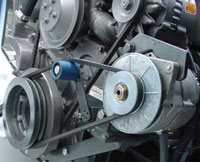
New-Our Yanmar JH5 Kits are ready for shipping!$599USD for any JH4 2nd marine alternator kit!New-Yachtwork and ElectroMaax have joined forces to bring you more choices in size, amps, alternators, price and most important ability to fit even more engine spaces.Scroll down for more information."...ingenious Yanmar second alternator
mount..." Download JH4 Instruction Pack-Click Here |
|||||||||||||||||

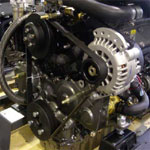
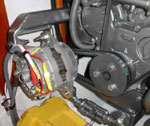
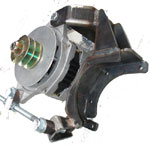
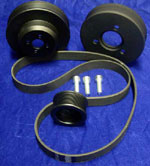

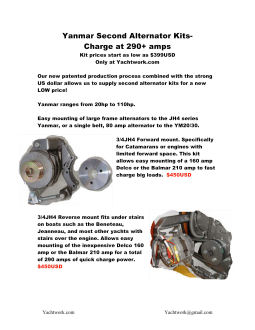
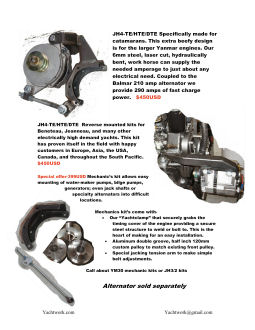

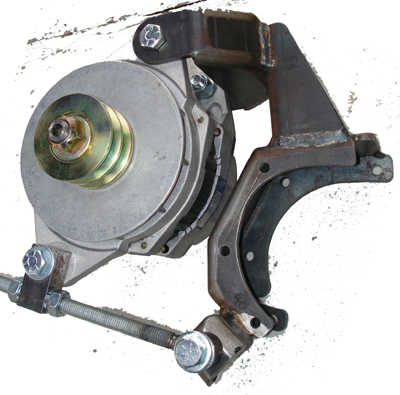
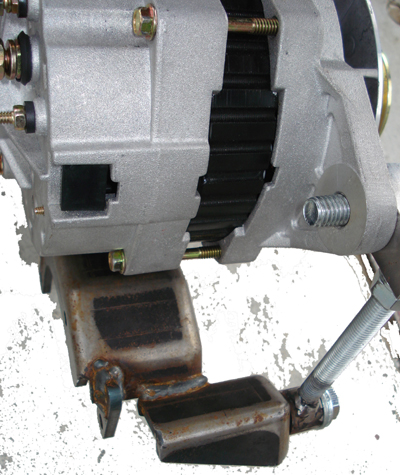
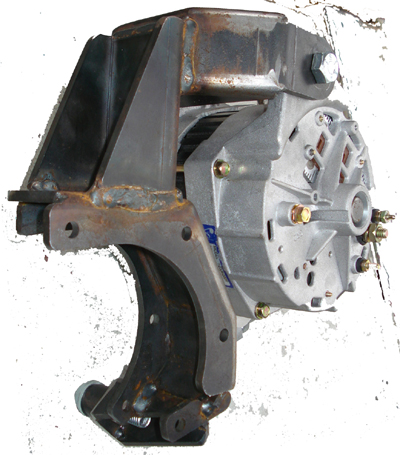
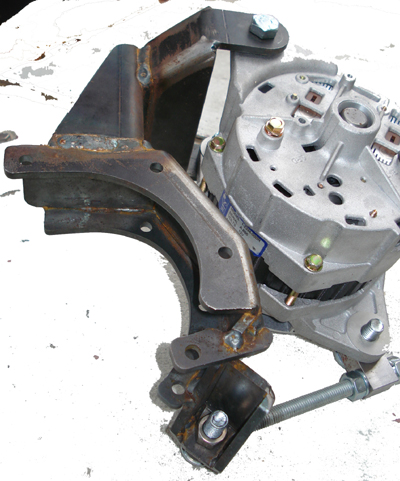
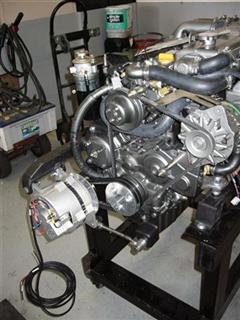
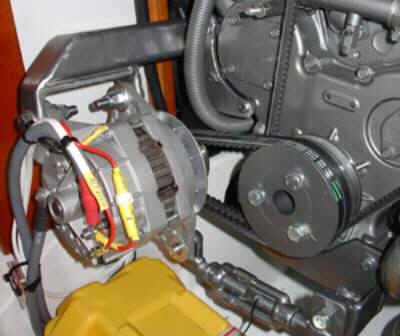
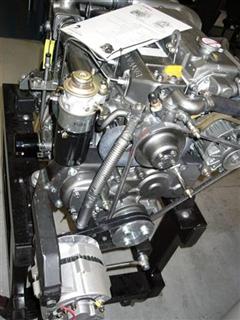
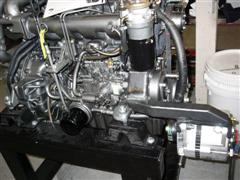
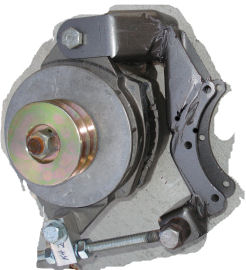
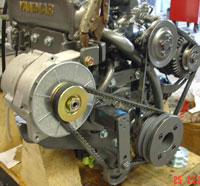
| Yachtwork is the world's leader in forward or reverse facing large frame alternator mounts that direct couple to Yanmar engines. Our Yachtwork kits arrive standard with a double groove, 1/2" V belt power power pulley, for ease of maintenance, compatibility, world wide simple replacement, and reduced side load.Serpentine belts increase crankshaft side load and are generally not used by Yanmar, but available on request. See note at end of page.All Yachtwork mounts accept the J180 standard alternator. The J180 is the worlds most popular alternator mount and in use on every type of heavy equipment, large engine, road truck, and even the 95 series Balmar 210 amp alternator. To you this means an inexpensive alternator is available ANYWHERE in the world. All our mounts are made from steel. Steel is used by EVERY major engine manufacturer to build alternator mounts for two reasons-
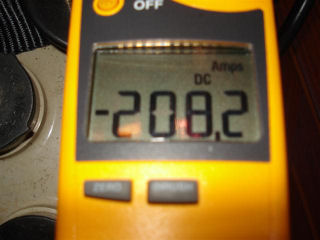
Our kits have been proven in the field for over 20 years. We produce brackets for most boat types including Catamarans, Beneteau, engines under stairs, or wherever you have extra space. Our marine alternator kits fit the Beneteau series of yachts and were built specifically fit the new Oceanis 43, 46 and 50. We sell mounts that couple the new 4JH4 Yanmar to the 165 amp, Delco large frame, or the Balmar marine alternator. We designed this elegent mount for Yanmar New Zealand. It fits the Beneteau 43 perfectly. It is now one of our best selling mounts producing a combined steady 245 amps to charge marine marine batteries. We even just built one for the CEO of Team New Zealand. Call for more details and price Our customers rave about this high quality product. It
ends the issue of charging marine batteries Ross Blackman Why so much power?With today's high electrical usage in yachts, the ability to fast charge is now more important than ever. Many yachts have over a 600 amp hour battery capacity with 1200 amp hour not being uncommon. To charge a system that large the old single 80 amp marine alternator (that really puts out 70 amps) can take hours to charge. The Dual Alternator option is the simple solution for the long range yacht. You recieve two direct advantages with separate marine alternator systems.
For example, I know of many boats that have overheated a single alternator while underway only to have the marine batteries slowly go dead, with the engine still running. The wind came up but the crew could not shut down the engine as they would not be able to restart with dead marine batteries. They were sailing at night making decisions weather to run the radar or the running lights. If they had had a dual alternator system they would have simply noticed the problem, noted it in the log and dealt with it at their leisure.
Click here for more details and price
Remember- Well charged marine batteries keep your marine starer spinning like it should. |
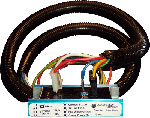
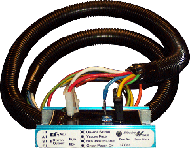
Three step economical sealed regulator from Electro Maax
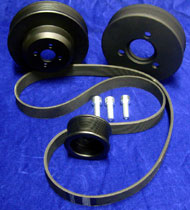
Pulley kits to upgrade any Yanmar to 180 amps
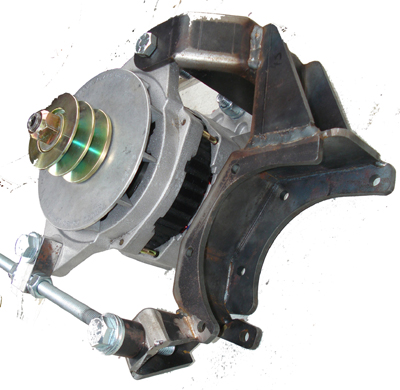
Yachtwork second alternator kits available now
Price breakthrough!
|
|
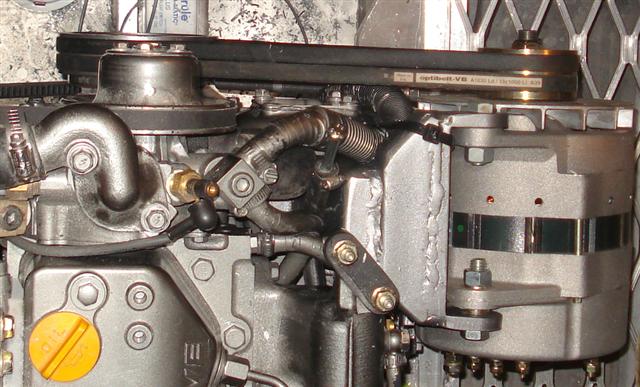
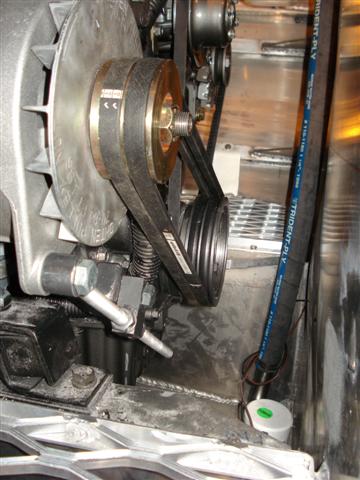
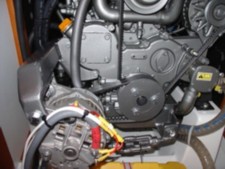
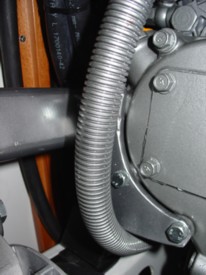
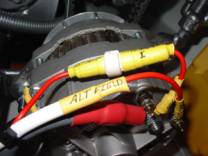
 3GM30
3GM30